
You may picture soapstone countertops as soft, old-world surfaces that suit a certain type of rustic kitchen. That idea is only half true. Soapstone is a natural stone with a very different makeup from granite or marble, and those differences matter once the slab becomes your working countertop.
If you want to understand what makes soapstone a top choice for rustic kitchen styles, it helps to look past the reputation and focus on how this material actually performs.
What Makes Soapstone Such a Strong Fit for Rustic Kitchen Design?
What Is Soapstone and Why Does Its Natural Makeup Matter?
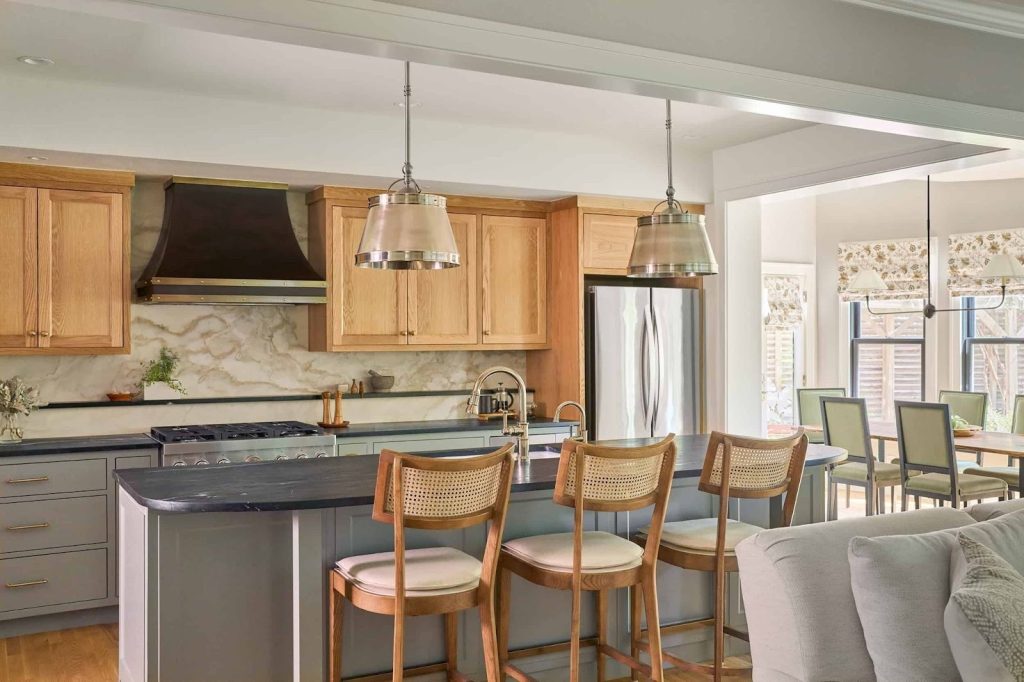
Soapstone is a natural stone made from talc and other minerals. This gives the surface a soft touch, gentle veining, and a texture that feels grounded. Rustic kitchens depend on materials that look lived in rather than polished or perfect, and soapstone fits that role easily.
It also develops a patina as it ages. The stone darkens over time, which adds character and helps your kitchen grow into its own style.
How Does Soapstone Complement Rustic Kitchen Styles?
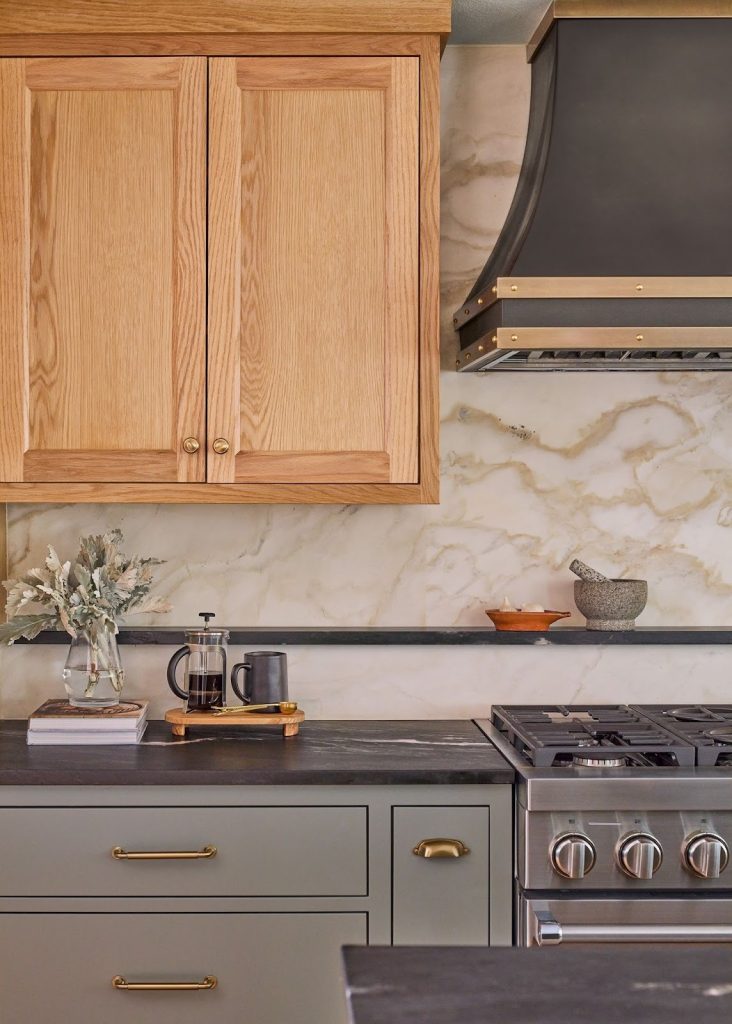
Soapstone slabs often have deep charcoal tones and light, steady veining. The matte finish keeps reflections low and gives the countertop a calm, steady presence. These traits blend well with wood tones, antique hardware, open shelving, or farmhouse details.
If you want a kitchen that feels warm and honest, soapstone adds that effect without trying too hard. The surface brings out the rustic charm that many homeowners search for but rarely find in other materials.
What Performance Traits Make Soapstone Practical for Rustic Kitchens?
Soapstone is nearly non-porous, so the surface does not absorb spills as fast as marble and some other soft natural stone surfaces. It also handles heat well, which helps in kitchens where cooking is part of daily life. You can place hot pots and pans on the surface for short moments without worrying about damage.
These qualities make soapstone a practical choice for rustic kitchens that see constant use. They also set the stage for the benefits and real-world considerations you will want to understand before making your final decision.
What Are the Key Benefits and Real-World Considerations of Soapstone Countertops?
What Are the Benefits of Soapstone Countertops in Rustic Kitchens?
Soapstone offers several advantages that fit the pace and personality of rustic kitchens.
- Natural patina that grows with the space: Soapstone darkens as it ages, which adds depth and character. In a rustic kitchen, that slow change feels natural and earned.
- Soapstone is nearly non-porous: The surface does not absorb spills. This helps prevent stain problems and keeps the countertop steady in kitchens where cooking happens often.
- Resistant to heat: You can place hot pots and pans directly on the surface for short periods. This is helpful in homes where cast iron, baking sheets, or boiling pots move quickly from stove to counter. However, do not make this a habit as sudden changes in temperature can cause a thermal shock that can crack the stone from the inside out.
- Steady performance during daily use: Soapstone handles moisture, chopping boards, rising dough, and warm plates with ease. It offers dependable durability without the need for sealing.
- Timeless beauty that supports rustic charm: The soft veining and deep charcoal tones work well with wood, stone, and other rustic elements. The look feels natural, not manufactured.
- Easy to clean: A simple wipe with mild soap and water is enough for most days in the kitchen.
- Comfortable to work on: The soft touch of the stone feels warm and inviting, which adds to the daily comfort of a busy cooking space.
What Are the Limitations or Maintenance Needs to Understand Before Choosing Soapstone?
Soapstone has a few traits worth considering before you commit.
- A softer surface that can scratch: Soapstone can pick up small scratches during daily use. Many homeowners simply let the marks blend into the patina, while others buff them out.
- Soapstone requires regular maintenance only if you choose to apply mineral oil: Mineral oil helps darken and unify the surface, but it is optional. If you enjoy a more natural look, you can skip oiling and let the stone darken on its own.
- Color varies from slab to slab: Soapstone has natural differences in tone, veining, and movement. Some slabs are lighter, others start with deep charcoal. Seeing options in person helps avoid surprises.
- Patina develops over time: The changing color is a benefit for many, but a drawback for some. You should enjoy the idea of a surface that grows and shifts with your kitchen.
These traits are not downsides for every homeowner. They simply help you understand how soapstone behaves so you can choose based on the way you use your kitchen.
How Does Soapstone Compare to Granite, Marble, or Quartz?
Soapstone sits in a unique place among natural stone countertops.
- Soapstone vs granite: Granite is harder and more resistant to scratches, but soapstone handles heat better. Granite requires sealing. Soapstone does not.
- Soapstone vs marble: Marble can stain or etch because it reacts to acids. Soapstone does not have these issues, which makes it easier to live with in a rustic kitchen.
- Soapstone vs quartz countertops: Quartz is more resistant to scratches, but it cannot take hot pans the way soapstone can. Quartz also offers consistent patterns, while soapstone offers a natural, evolving look.
These differences explain why soapstone is one of the most authentic fits for rustic kitchen design. It looks natural, works hard, and grows into the space over time.
Ready to Explore Stone Countertops for Your Rustic Kitchen?
If you want to see how soapstone looks and feels in person, our Austin and Kerrville showrooms have a wide variety of natural stone samples available. Seeing the slabs up close is the easiest way to understand how each option might work in your kitchen.
You can also schedule a consultation with a team member who can walk you through your renovation plans and help you decide whether soapstone is the right countertop material for your home. If you want to compare it with granite, quartzite, or other natural stone surfaces, we can guide you through those choices as well.
FAQs About Soapstone Countertops
Does soapstone scratch easily?
Soapstone is softer than materials like granite, so light scratches can appear during daily use. Most scratches blend into the patina over time. You can also buff them out if you want a smoother look. This is one reason soapstone countertop surfaces feel lived in rather than polished.
Can I place hot pots and pans directly on soapstone?
Yes. Soapstone is highly resistant to heat, and homeowners often place hot pots on the surface for short moments without damage. This makes it a practical choice for kitchens where cooking is constant.
Does soapstone stain or absorb liquids?
Soapstone is non-porous, so it does not absorb spills the way some natural stone countertops can. Liquids stay on the surface, which helps prevent stain issues in kitchens and bathrooms.
How often do homeowners need to apply mineral oil?
Mineral oil is optional. Homeowners choose to apply mineral oil when they want soapstone to darken more quickly and evenly. If you enjoy a natural patina that develops at its own pace, you can skip regular oiling.
Does soapstone darken over time?
Yes. Soapstone develops a patina over time, shifting from a lighter gray to a deeper charcoal tone. This change adds character and supports the charm and authenticity of a rustic kitchen.
Is soapstone a good choice for kitchens where cooking is frequent?
Yes. Soapstone is one of the most practical kitchen countertop materials for busy spaces. It resists heat, does not stain, and is easy to clean. These qualities help soapstone countertops offer steady performance in homes where the kitchen sees daily use.
How does soapstone compare to granite, marble, or quartz for everyday use?
Soapstone requires less care than marble and does not need sealing like granite. It also handles heat better than quartz. Each surface has pros and cons, but soapstone is a strong fit for rustic designs because it gains character rather than losing it.