
Is your quartzite actually hard quartzite, or is it a softer variety? Will that lemon juice etch the surface forever? How often do you really need to apply a sealer to truly prevent staining?
Knowing how to maintain quartzite countertops starts with understanding the specific slab in your home. Before you panic over every spill, let’s walk through the simple, expert-approved methods that will protect your stone and make cleanup easy.
What Should You Understand Before Maintaining Quartzite Countertops?
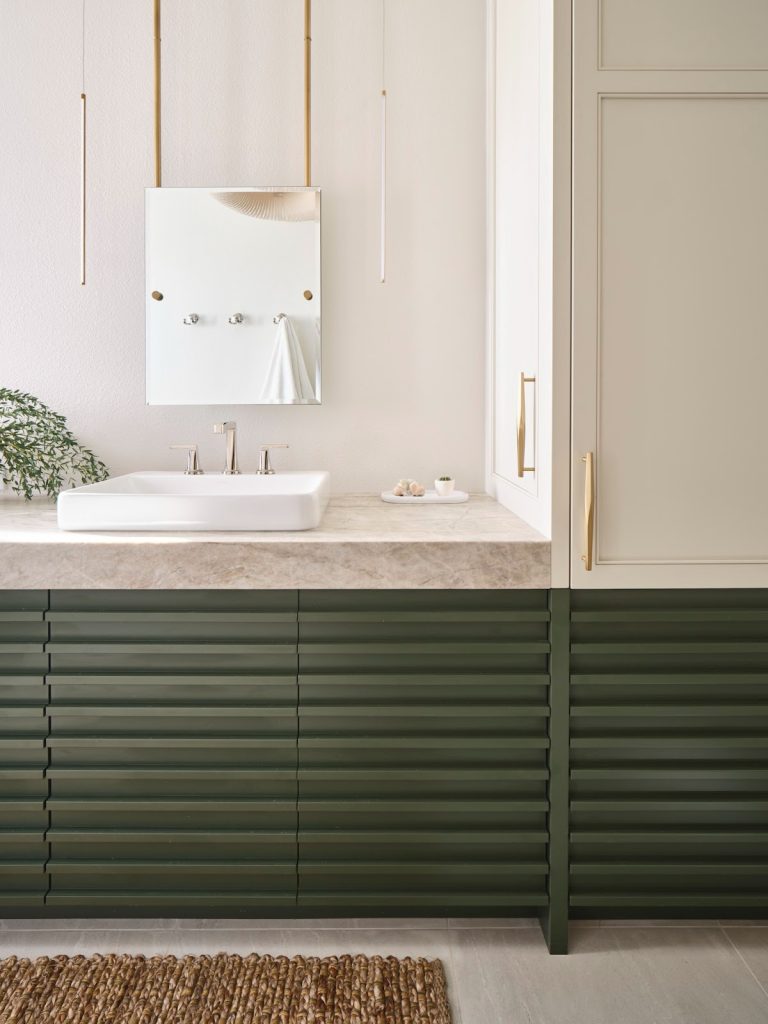
What Is Quartzite and Why Does Its Composition Matter for Maintenance?
Quartzite is a natural stone formed when sandstone is subjected to immense heat and pressure deep within the earth. This process fuses the quartz grains together, making the resulting stone incredibly hard; it’s highly resistant to scratching.
However, here’s the crucial detail: not all quartzite slabs are created equal. Some varieties contain trace amounts of softer, more porous minerals. If you purchased a softer slab, your stone will be porous to some degree. This is why care is not optional, but essential.
How Do Quartzite Countertops Respond to Spills, Liquids, and Daily Use?
The hardness of quartzite countertops means you rarely have to worry about scratching the main surface. The challenge comes from liquids. Because even the hardest natural stone is technically porous, liquids like water, cooking oil, or wine can soak in if left to sit.
This is especially true around high-contact areas like the counter edges, the sink, and the primary cooking zone. If an oil spill sits for too long, it can leave a shadow that is extremely difficult to remove. This is precisely where a sealer earns its keep.
A quality sealer fills those tiny pores, creating a barrier that forces liquids to bead up on the surface. This buys you crucial time to wipe up the mess before it penetrates the stone.
How Do You Clean, Seal, and Protect Quartzite Countertops Long-Term?

How Should You Clean Quartzite Day to Day?
The best defense against permanent stains is a simple, consistent routine. For daily cleaning, stick to mild solutions. Use warm water and a small amount of mild dish soap, or grab a specialized, pH-neutral stone cleaner.
Wipe the surface with a soft or microfiber cloth. This prevents residue buildup that can make the stone look dull over time. The key is to avoid anything abrasive, as hard scrubbing on any natural material can degrade the finish over time.
When and How Should Quartzite Be Sealed?
Because quartzite is a natural stone countertop, many slabs benefit greatly from sealing to keep them resistant to staining. A sealer works by penetrating the stone and filling the microscopic pores. This doesn’t make the stone waterproof, but it creates a barrier that forces liquids to bead up on the surface, buying you time to wipe up a spill before it penetrates.
Your fabricator should test your specific quartzite slab for its absorption rate and recommend the right stone sealers. Depending on the porosity and how heavily you use your kitchen, you may need to reseal every one to three years. Testing for this is easy: if water no longer beads up, it is time to reseal.
How Do You Handle Stubborn Stains on Quartzite?
If a wine or oil stain sits for too long and penetrates the quartzite countertop, don’t panic. You can often pull the stain out using a poultice. A poultice is a paste made from an absorbent powder (like baking soda and water) mixed with a chemical designed to target the stain (e.g., hydrogen peroxide for organic stains).
Apply the paste thickly over the stain, cover it with plastic wrap, and let it sit for 12 to 24 hours. As the paste dries, it pulls the liquid out of the natural stone. This step-by-step method is usually effective.
What Should You Avoid to Protect Quartzite’s Surface?
Long-term upkeep is mostly about avoiding common household enemies:
- Acids: Avoid leaving acidic liquids like lemon juice, vinegar, or harsh wine on the surface. These can etch the stone, especially if your slab has softer minerals.
- Abrasives: Never use steel wool or scouring pads, which can scratch the surface or remove the protective sealer.
- Heat: Though quartzite is incredibly heat-resistant, always use trivets for hot pots. Why risk thermal shock that could affect the stone or the underlying adhesive?
How Can Preventive Care Keep Quartzite Looking Its Best?
The simplest maintenance tips are often the most effective. Use cutting boards to reduce scratching (though the stone is highly durable, a cutting board saves your knife edges). Use coasters under glasses to prevent rings.
Consistent sealing and quick cleanup around the sink and prep spaces are the best long-term strategy. Simple, intentional care keeps your quartzite countertops looking brand new for years, ensuring your investment truly lasts.
Ready to Explore High-Quality Quartzite Countertops for Your Home?
If you are considering quartzite for your kitchen or bathroom, seeing the stone in person is the best way to understand its strength, character, and natural variation. Our team has worked with quartzite slabs for more than twenty years, and we help homeowners choose the right material for long-term performance.
Visit our Austin or Kerrville showroom to explore premium quartzite slabs and other natural stone options.
FAQs About Maintaining Quartzite Countertops
Is sealing quartzite necessary?
Yes, for most slabs. While quartzite is often harder and more stain-resistant than marble, it is still a natural stone countertop and inherently porous. Sealing is the simplest way to protect the surface from liquids penetrating the stone, making it a wise choice for countertops.
How often do I need to reseal?
It depends on the specific stone and how often you use your kitchen. For most quartzite, resealing every one to three years is typical. You can test your surface: if a drop of water quickly absorbs into the stone instead of beading up, it’s time to reseal. Modern stone sealers are easy to apply and take very little time.
What is the best product for daily cleaning of quartzite?
A mild pH-neutral cleaner. Simple dish soap mixed with warm water is effective, or you can use a cleaner specifically formulated for cleaning quartzite. Just avoid anything with citrus, vinegar, or ammonia, as these can break down the sealant and potentially damage the stone itself.